The importance of electrical infrastructure in modern construction projects across Greece and Europe.
In every building, whether residential or commercial, there is an invisible network that powers its operation: the electrical installation. While visitors only see light fixtures, outlets, and switches, behind them lies an entire system that supplies, protects, and ensures the uninterrupted functionality of the building.
Understanding the importance of electrical installations is essential for every owner, designer, or contractor, as it directly affects the safety, energy efficiency, and future scalability of any project.
What Does a Modern Electrical Installation Include?
A complete electrical installation includes:
-
Power supply and distribution networks: from the main meter to every consumption point
-
Lighting systems: for both interior and exterior spaces
-
Low and high voltage systems: sockets, phone lines, data, television
-
Automation systems: for controlling lighting, shutters, HVAC, and more
-
Security systems: alarms, cameras, access control
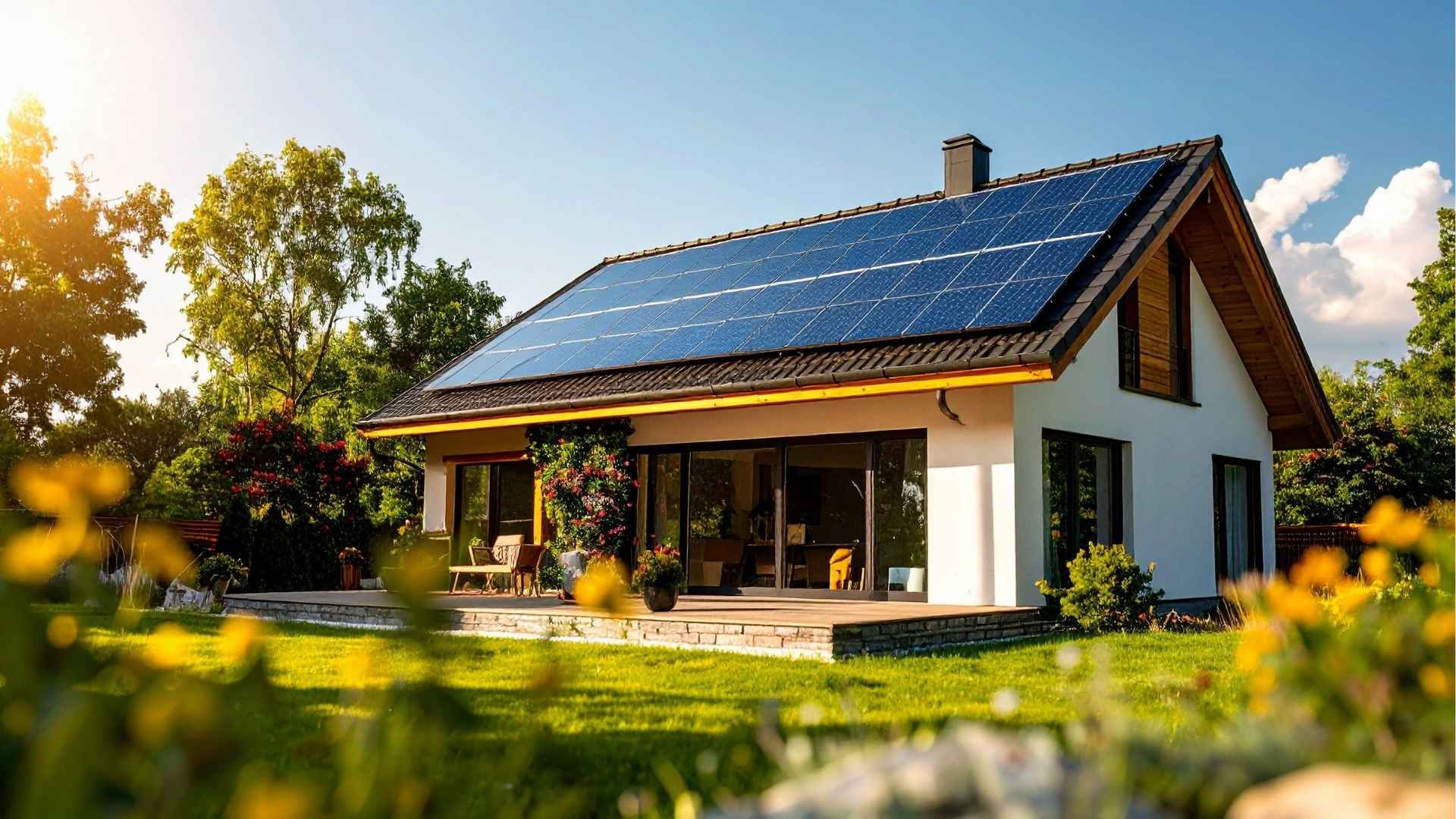
Proper planning and execution of each subsystem ensure not only today’s smooth operation but also future upgrades, such as the integration of smart energy management systems or photovoltaic panels.
Differences Between Residential, Commercial, and Industrial Buildings
In homes and commercial spaces (offices, stores), electrical infrastructure is designed to remain discreet—hidden in walls, floors, or ceilings. Aesthetics and ergonomics are key considerations.
In contrast, industrial installations emphasize functionality and easy access for maintenance and repairs. Here, conduits, junction boxes, and transformers are often visible and arranged to allow quick intervention.
The Universal Dependency on Electricity
Today, electricity is present in nearly every function within a building:
-
Heating and cooling systems require electricity to operate fans, circulators, and automation, even if powered by gas or oil.
-
Professional kitchens combine gas appliances with electronic controls.
-
Alarms, data networks, TV systems—all demand continuous power supply.
Therefore, a well-designed and constructed electrical network is not just “an installation”—it is the building’s central nervous system.
The Risk Behind the Comfort: Why Electrical Safety Is Crucial
Electricity is the fastest, cheapest, and most efficient form of energy transfer known to humanity. But because of its power, negligence in design or construction can lead to tragedy: fires, short circuits, or electric shocks.
In Greece and across the EU, safety is governed by standards like ELOT HD384, EU directives, and national laws. A building cannot be connected to the grid unless it passes certification and compliance inspections.
Flexi Concepts designs and implements installations that not only meet but exceed standard safety requirements, using high-quality materials and techniques that ensure durability, safety, and long-term flexibility.
Conclusion
Electrical installations are the foundation of every modern building. Invisible to most, yet vital to all. By investing in a reliable partner like Flexi Concepts, you ensure that your building operates efficiently, safely, and is ready for future demands.
Choose responsible professionals. Choose Flexi Concepts.