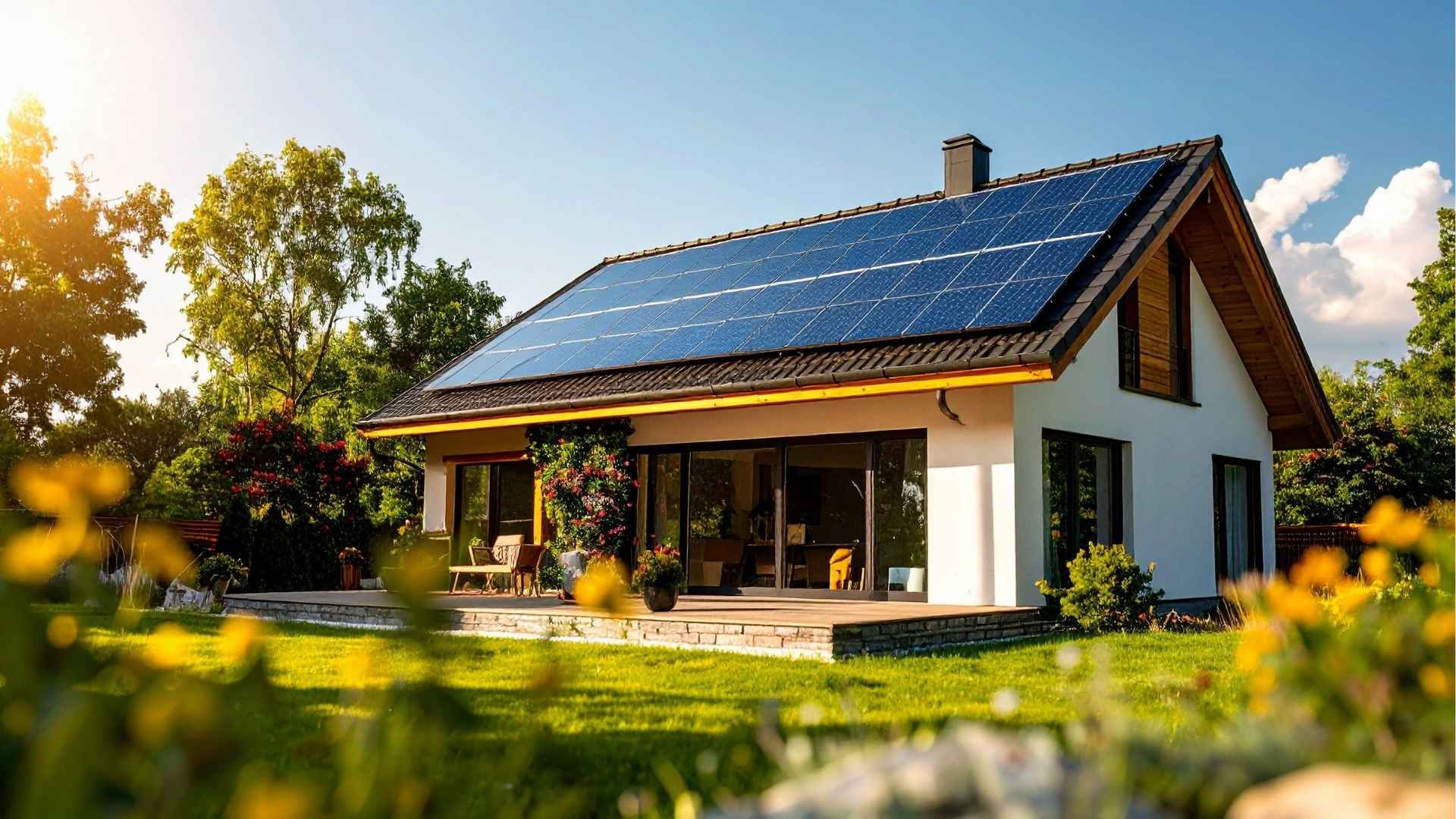
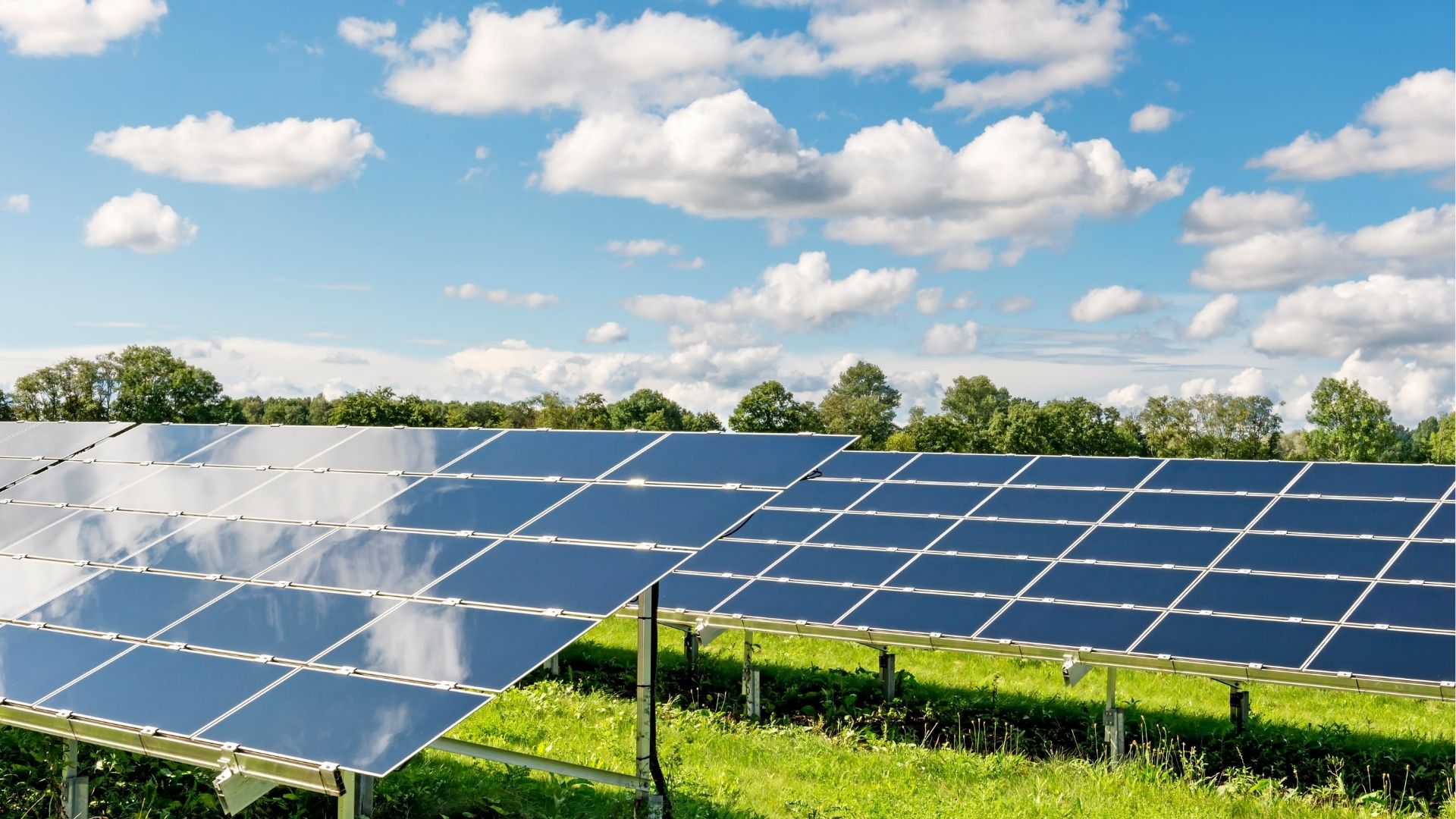
Solar energy through photovoltaic systems offers both environmental and economic benefits, making it an ideal solution for clean energy generation. In recent years, the increased demand for renewable energy has led to the widespread adoption of solar panels in residential, commercial, and industrial buildings.
To maximize the efficiency of solar energy and ensure long-term performance, regular cleaning and maintenance of solar panels are essential. While different types of solar panels exist, all require dust and debris removal to optimize light absorption and enhance energy production. Below is a comprehensive guide on maintaining and extending the lifespan of your solar panels.
The Importance of Proper Solar Panel Maintenance
Advancements in solar technology have made photovoltaic systems more durable, efficient, and long-lasting. However, proper care remains crucial, as regular maintenance can increase energy production by up to 15%.
Routine inspections and proper cleaning ensure peak performance, leading to greater energy output and long-term financial benefits.
Factors Affecting the Lifespan of Solar Panels
- Temperature: Prolonged exposure to high temperatures can reduce panel efficiency over time. Heat causes thermal stress on materials, accelerating the degradation of photovoltaic cells.
- Shading: Partial shading from trees, buildings, or other obstacles can significantly impact system performance, as solar panels are often connected in series, meaning one shaded panel can reduce the output of the entire array.
- Pollution & Debris: Dust, leaves, and dirt accumulation obstruct sunlight absorption, decreasing efficiency. If left uncleaned, these elements may cause permanent damage.
Six Steps for Proper Solar Panel Maintenance
- Schedule Regular Cleaning – Clean panels at least twice a year, ideally at the end of autumn and the beginning of winter. In high-dust or polluted areas, cleaning every three months is recommended.
- Choose the Right Time – Clean early in the morning when the panels are cooler. Cleaning under direct sunlight can cause thermal stress. Avoid cleaning on rainy, windy, or snowy days.
- Use Gentle Cleaning Methods – Soft tools should be used to remove dust and debris without scratching the surface.
- Conduct Visual Inspections – Before cleaning, inspect for cracks or loose connections. If any issues are detected, consult a professional for repairs.
- Dry Panels Properly – Allow them to air dry or use soft cloths to prevent watermarks.
- Track Maintenance Dates – Keep a record of cleaning and schedule the next session to maintain efficiency.
Cleaning Guidelines
- Water: Use clean, high-quality water—preferably distilled or deionized—to prevent stains or mineral deposits.
- Detergents: Mild, non-abrasive detergents are safe for panel surfaces. Avoid harsh chemicals that may cause corrosion or residue buildup.
- Brushes & Sponges: Soft-bristle brushes or microfiber cloths effectively remove dust without scratching the glass.
- Extendable Handles: Since solar panels are often installed on rooftops, telescopic handles help reach them safely. If cleaning is difficult, consider hiring professional services.
Why Maintenance Matters
Regular solar panel maintenance is key to ensuring maximum performance, increasing energy output, and reducing long-term repair costs.
Discover our professional solar panel maintenance services and learn how we can help optimize your system’s efficiency and durability. Find out more here.