The integration of photovoltaic (PV) systems in urban areas is a crucial step toward sustainable urban development, reducing the environmental footprint of cities while promoting energy independence.
Benefits of Photovoltaic Integration in Cities
- Reduction of CO₂ Emissions: Solar energy production decreases reliance on fossil fuels, contributing to lower carbon emissions.
- Energy Autonomy: Cities can generate part of their energy needs, enhancing energy security and independence.
- Economic Benefits: Solar energy reduces electricity bills for both residents and businesses.
- Improved Quality of Life: Reduced air pollution leads to healthier urban environments.
Ways to Integrate Photovoltaics in Urban Areas
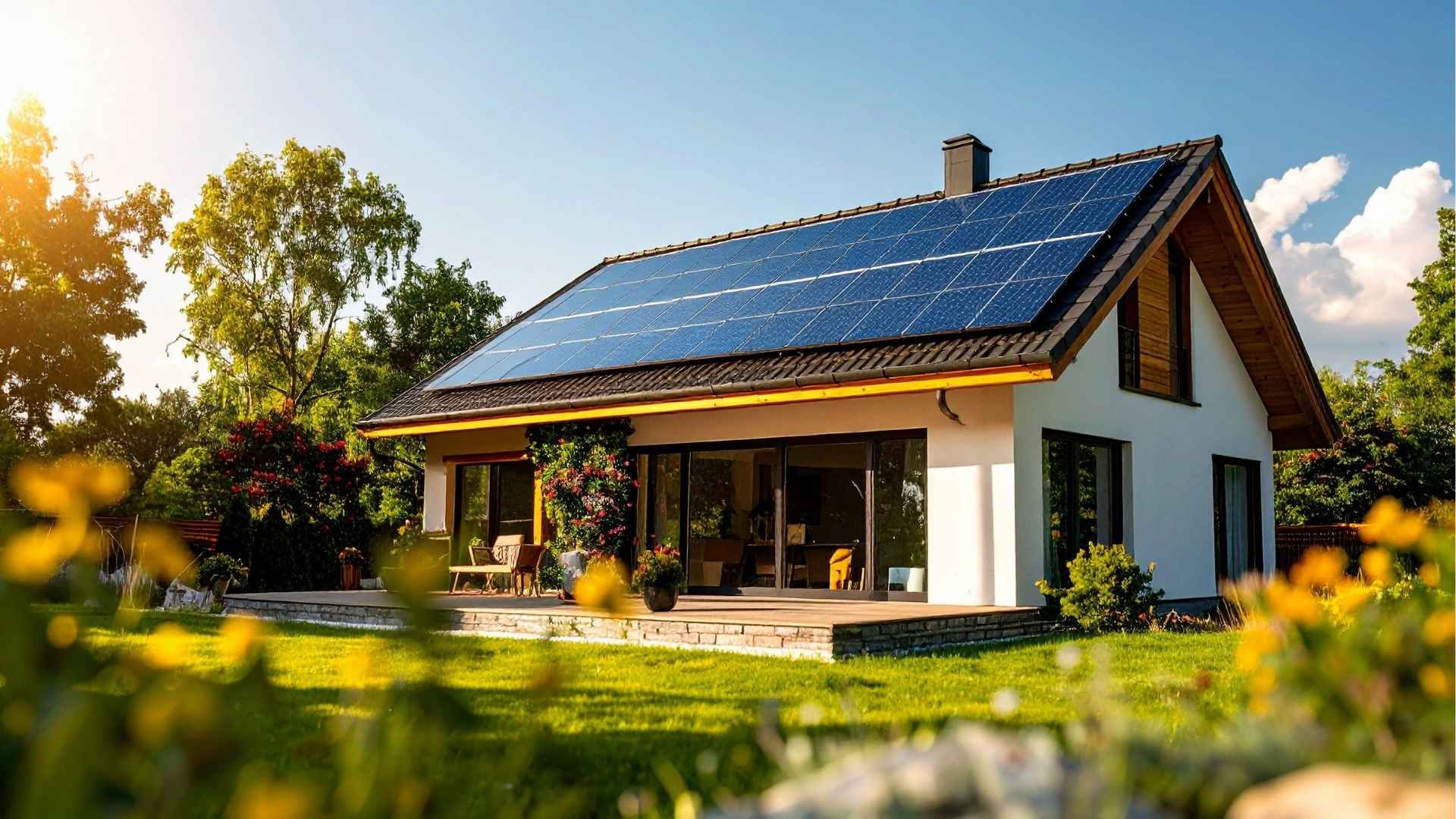
- Rooftop Solar Panels: Utilizing rooftops of homes and commercial buildings for energy production.
- Building-Integrated Photovoltaics (BIPV): Incorporating PV panels into architectural elements such as facades and windows, enhancing both functionality and aesthetics.
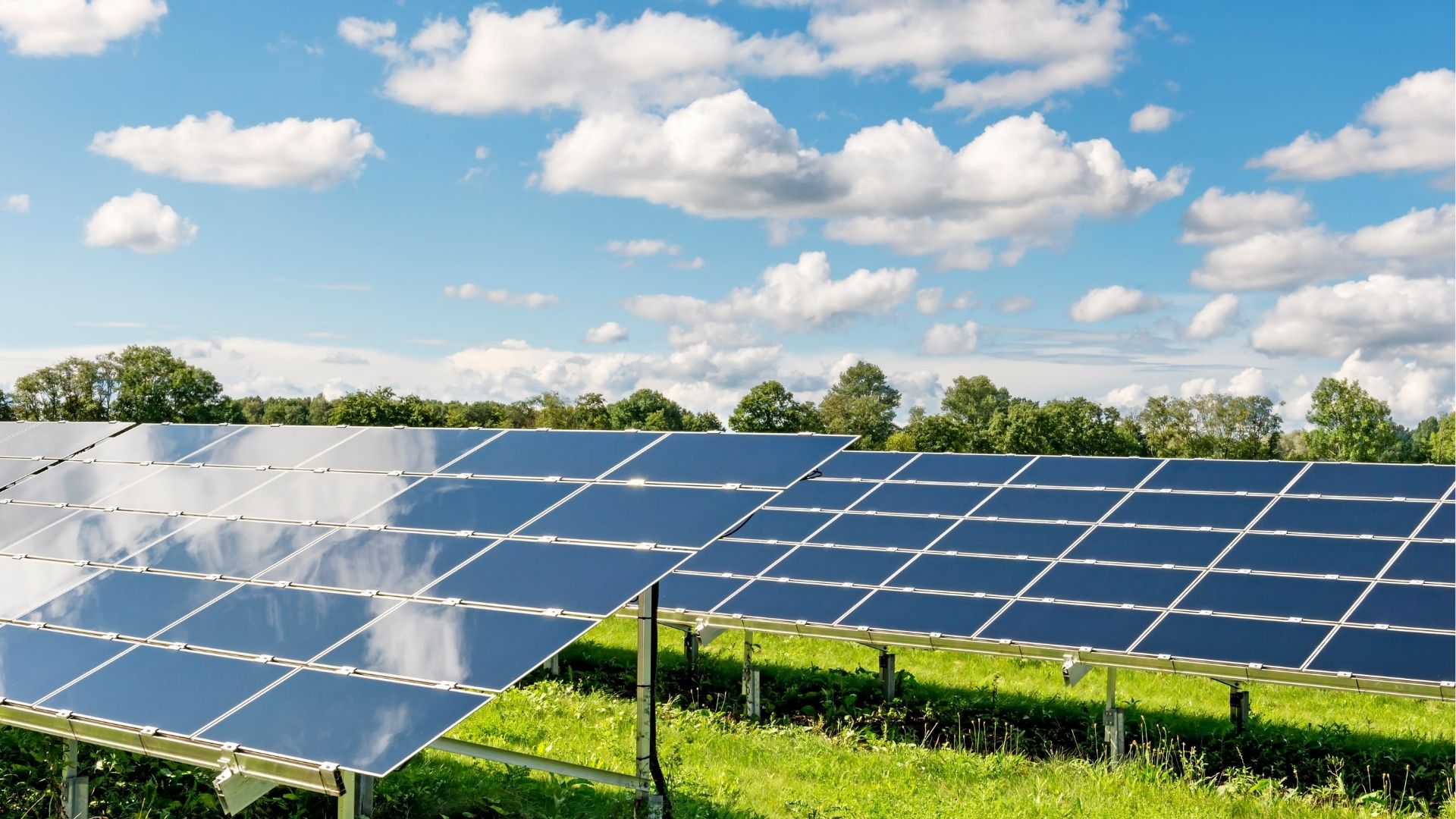
- Urban Solar Parks: Small-scale solar parks in public spaces can contribute to community energy needs.
Challenges & Solutions
- Urban Planning Constraints: Dense construction requires careful planning for optimal solar panel placement.
- Initial Installation Costs: While the upfront investment can be high, long-term savings and government incentives make solar adoption more feasible.
- Aesthetic Integration: Modern solar technology enables seamless integration into the urban landscape.
Examples of Green Cities
Cities like Copenhagen and Stockholm have adopted extensive renewable energy programs, including photovoltaic installations, significantly reducing CO₂ emissions while improving residents’ quality of life.
Conclusion
The integration of solar energy in urban areas is a key step toward sustainable urbanization, offering environmental, economic, and social benefits. With proper planning and support, cities can become models of sustainability, contributing to climate change mitigation and improved living conditions for all.